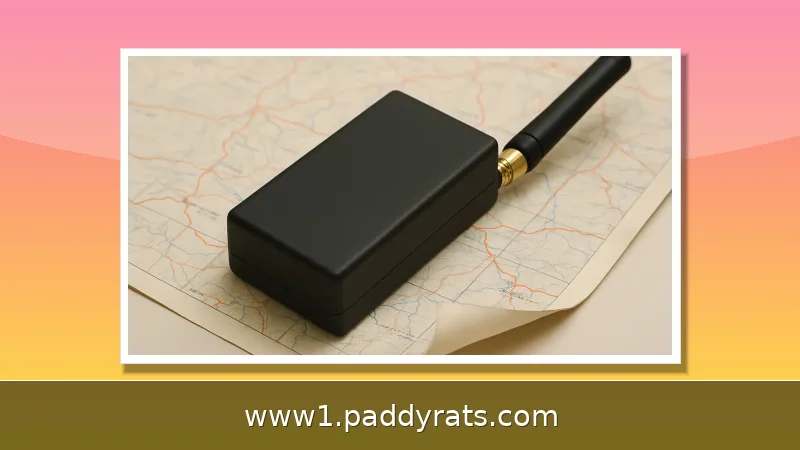
GPS jammers can silence a tracker in seconds, and the telltale signs are easy to miss if you only glance at a map. Here is how jamming works, how to detect it, and how jamming differs from spoofing.
What are the warning signs that a GPS tracker is being jammed?
Common signs include sudden loss of GPS signal, frozen or last-known location data, straight-line trip gaps, unexpected tracking gaps followed by normal reporting, multiple systems losing GPS reception in the same area, and tamper alerts. A device may appear offline or stop reporting even though the vehicle keeps operating normally.
How does GPS jamming detection work?
Jammers emit a detectable radio-frequency signature the moment they power on. Detection software recognizes anomalies such as signal loss, sudden location shifts, or unexpected changes in signal strength, and dedicated detectors can pick up the jammer's RF signature and alert operators, often seconds before a physical attack begins.
Is GPS jamming illegal?
GPS jamming is illegal in many countries, including the United States, Canada, and the United Kingdom. In the U.S., the Communications Act of 1934 prohibits marketing, selling, or operating jammers, with fines up to $100,000 or more and possible imprisonment. Canada's Radiocommunication Act also bans importing, manufacturing, distributing, selling, possessing, and using them.
What is the difference between GPS jamming and spoofing?
Jamming overwhelms GPS signals with radio noise so a receiver cannot determine its location, while spoofing transmits counterfeit satellite signals to trick a receiver into calculating a false position or time. Jamming disrupts the signal completely; spoofing deceives the receiver with fake but plausible-looking data.
Frequently Asked Questions
What are the warning signs that a GPS tracker is being jammed?
Common signs include sudden loss of GPS signal, frozen or last-known location data, straight-line trip gaps, unexpected tracking gaps followed by normal reporting, multiple systems losing GPS reception in the same area, and tamper alerts. A device may appear offline or stop reporting even though the vehicle keeps operating normally.
How does GPS jamming detection work?
Jammers emit a detectable radio-frequency signature the moment they power on. Detection software recognizes anomalies such as signal loss, sudden location shifts, or unexpected changes in signal strength, and dedicated detectors can pick up the jammer's RF signature and alert operators, often seconds before a physical attack begins.
Is GPS jamming illegal?
GPS jamming is illegal in many countries, including the United States, Canada, and the United Kingdom. In the U.S., the Communications Act of 1934 prohibits marketing, selling, or operating jammers, with fines up to $100,000 or more and possible imprisonment. Canada's Radiocommunication Act also bans importing, manufacturing, distributing, selling, possessing, and using them.
What is the difference between GPS jamming and spoofing?
Jamming overwhelms GPS signals with radio noise so a receiver cannot determine its location, while spoofing transmits counterfeit satellite signals to trick a receiver into calculating a false position or time. Jamming disrupts the signal completely; spoofing deceives the receiver with fake but plausible-looking data.